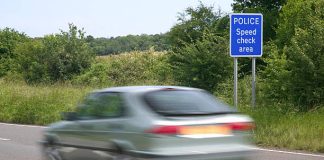

Learning to drive is one of those experiences that makes you feel simultaneously free and terrified. You’re out on the road, building confidence — and then the lights start flashing in your rearview mirror. Whether it’s a rolling stop, speeding through a yellow light, or failing to signal, getting caught breaking a traffic law while practicing raises a lot of questions.
Who’s actually responsible? Does your learner permit protect you? What happens to your supervisor? Let’s break it down.
First Things First: You’re Still Subject to Traffic Laws
Having a learner’s permit or being in a supervised practice session does not give you immunity from traffic laws. Every rule of the road applies to you — from speed limits to signaling to seatbelt requirements. In the eyes of the law, operating a vehicle means following traffic regulations, regardless of your license status.
What Happens When a Learner Driver Gets Pulled Over?
If you’re pulled over during a practice session, what happens next depends on several factors: the nature of the violation, your state’s laws, who’s supervising you, and whether any damage or injury occurred.
Minor Traffic Violations
For minor infractions — a rolling stop, minor speeding, failing to use a turn signal — the learner driver typically receives the ticket. In most states, the citation goes to the person operating the vehicle. As a permit holder, that’s you.
The consequences for permit holders can include fines, required traffic school, points on your driving record, and in some cases, suspension or delay of your permit or license eligibility. Courts generally don’t give extra leniency just because you’re a learner.
What About the Supervising Adult?
This is where things get interesting. In many states, the licensed adult supervisor can face their own consequences — especially if the law requires them to maintain control of the vehicle and they clearly didn’t do so. Some state laws hold the supervising driver jointly responsible for the safe operation of the vehicle during supervised practice.
If the supervisor was asleep, distracted, or allowed clearly reckless driving without intervention, they may face citations, liability, or in extreme cases, charges related to reckless endangerment.
The Rules for Supervised Practice Driving
Most states have specific requirements for learner permit driving that must be followed to practice legally:
- A licensed adult (usually 21 or 25 and older, depending on the state) must be in the front passenger seat
- The supervisor typically must have held a valid license for a minimum number of years
- Practice must occur during permitted hours — many states prohibit learner drivers from driving late at night
- The permit holder must not have any passengers other than those permitted by state law
Violating these requirements during a practice session can compound the consequences of any traffic violation and may be treated as driving without a valid license.
Can a Learner Driver Get Their License Suspended?
Yes. Multiple traffic violations as a permit holder can delay or prevent you from obtaining a full driver’s license. Many states have graduated driver licensing (GDL) programs that are specifically designed to monitor and manage the behavior of new drivers. Violations during the learner stage can reset waiting periods or add mandatory training requirements.
If There’s an Accident
If a traffic law violation during practice driving leads to an accident, the legal consequences increase significantly. Insurance claims, civil liability, and in cases of reckless driving or injury, potential criminal charges can follow. The supervising adult’s liability also increases in accident scenarios, particularly if they had the ability — and legal responsibility — to prevent the collision.
The Practical Takeaway
Learning to drive is important, and supervised practice is how good drivers are made. But it has to be done properly — with a licensed adult who’s paying attention, in the right conditions, following every traffic rule as if your full license depended on it. Because legally speaking, it does.
If you or your teen was cited during a practice session, consulting with a traffic attorney — especially before the court date — is worth the call. They can often help reduce fines, prevent points from stacking up, and protect your path to a full license.