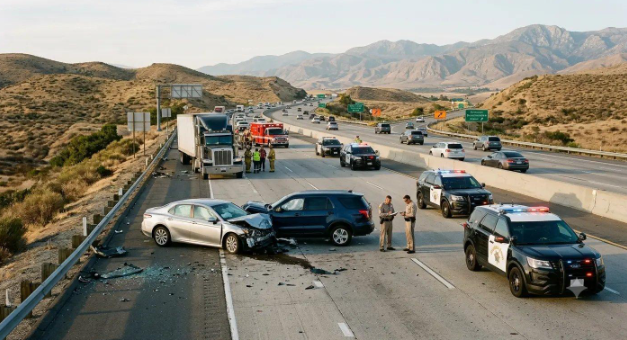
Prop 213 in California surprises many drivers after a crash that wasn’t their fault. Voters passed it in 1996, and it’s now Civil Code section 3333.4. It limits what an uninsured driver can recover, even when the other driver caused the collision.
The rule is narrow but sharp. A driver who had no auto insurance at the time of the crash can still recover economic damages, such as medical bills, lost wages and vehicle repair. What Prop 213 removes is non-economic damages: pain, suffering, emotional distress and loss of enjoyment of life. For many injury claims, those make up a large share of the value.
There are exceptions. The limit doesn’t apply if the at-fault driver was convicted of DUI for the crash. It also doesn’t apply to passengers who weren’t the vehicle’s owner, or to someone injured as a pedestrian. And if the uninsured driver was using an employer’s or a friend’s car that was insured, the analysis can change.
According to Tenina Law, a Sherman Oaks firm led by attorney Alla Tenina, the first question in any Prop 213 case is whether the client truly lacked coverage on the crash date. Lapsed policies, grace periods, and coverage under another household member’s policy can all affect the answer. The second question is whether an exception applies.
Even when Prop 213 applies, the economic side of the claim can still be worth pursuing, since medical costs after a serious crash add up fast. Drivers in Los Angeles County who weren’t insured at the time of an accident should get those facts reviewed before giving any statement to the other driver’s insurer.
*This article is general information and not legal advice. Every case is different, and no outcome can be guaranteed. Attorney advertising.*